THIS SHORT BLOG is titled ‘We Reap What We Sow! 2’ because it follows the first offering, which was published last month – ‘We Reap What We Sow!’
AS A BRIEF RECAP, on 24 May 2024 I spoke at Our Lady of Lourdes Catholic Primary School & Nursery in London as part of its Careers Week. I brought my court attire of wig and gown (robe) with me, which some of the children tried on and they (the children) asked, and were encouraged to ask, me many questions, which, of course, they did. I was questioned about my journey to becoming a barrister and a writer. There were no prohibitions in asking me any question(s). It was an absolute joy to meet these inquiring minds.
The school made sure that these young, keen acorns knew that they could achieve/acquire any profession, trade, skill (and much more) if they so wished and desired to do so. I agree!
At the end of the day, I left the school and returned to work because I was due a reserved judgment later that afternoon. As I drove South I reflected on an enjoyable morning.
SOME TIME LATER, I had cause to visit the school for an unrelated matter. On the desk in front of me was a large white envelope, which bore my name. I was not expecting anything and, therefore, had absolutely no idea what the envelope contained. I opened it cautiously and was met with an amazing set of handmade cards from some of the children thanking me for attending and participating in their Careers Week. What an honour!
ALL CARDS WERE AND ARE EQUALLY SPECIAL and ALL are my FAVOURITES! However, when I read, “Dear Ryan. Thank you so much for coming to speak to us about your wonderful career. You have inspired me to follow my dreams,” it made my horrific journey back, being stuck in my car in traffic jams on the A406 (North Circular), M40 and M25 so much worth it, which I would not hesitate to do all over again.
NOT EVERYONE buys into diversity and inclusion, and not everyone is sold on it either. Some say it does not work. Many believes it does. Some say the benefits, if any, are impossible to measure. Some say the benefits are obvious because there is a wider and diverse pool of talent from which to choose rather than the narrow same old, same old.
AS PART OF A SERIES of podcasts and videos on the working lives of those in various professions, I asked my guests whether they believed diversity and inclusion play or ought to play a role in their professions. The following is what two of them said.
Human Resource Manager, Ruby: I asked Ruby, how was diversity and inclusion part of her practice, if at all? “It is something we are very keen on. I think it is definitely something every employee needs to do. We do training. We have mandatory training. We have classroom training every year, so everybody has to undertake at least one online course. And we do one face to face course for everybody’s ‘mandatory.’”
Detective Constable Shaun: I asked Shaun, as a serving police officer, in his view, what role did diversity and inclusion play or should play in the police force? “It plays a very very important role. For me, we need different perspectives. We need people from different walks of life because it is no point looking at things one-dimensionally because then it will only impact on a small portion of the community. So, we need diverse voices. We need representation because I hate the feeling of anyone feeling left out. It is the worst feeling in the world when you are alone. There is no one speaking for you, and you are not being heard. So, in order to deliver a service that represents everyone fairly, understands individuals and their needs, we need to have an open mindset. And we need representation from the top all the way down. If I was a leader and I had a team around me, I would want a team that challenges me, challenges that forces me to look into myself and challenge my own biases, my own decision making, and not people that just nod and agree with me all the time. That’s no good to me!”
IT MAY NOT BE EVERYONE’S CUP OF TEA but many organisations and businesses we work for function within a diverse community. Such organisations and businesses should reflect the community and environment in which they function. I firmly believe that it is a competitive advantage for a business or an organisation to be as diverse as their customers and clients etc. Speaking for myself, where there is competition, all things being equal in the quality of service provided and cost, I am and would be more attracted to the more diverse of the businesses or organisations. For me, it’s a no brainer! It may not be everyone’s cup of tea, but it may be time to wake up and smell the coffee!
DISGRACEFUL! I am not referring to England football team’s defeat against Iceland at Wembley on 7 June 2024 as part of its preparation for Euro 2024. I am referring to the media coverage, following the defeat. Unfortunately, I missed the game but I assume that England were allowed to use more than one player and at any one time had eleven players on the field. Therefore, collectively, England/We lost their/our home game. That said, it is DISGRACEFUL that I see images in the press (and this may well be replicated in the wider media) focusing on one player. DO YOU SEE WHAT I SEE?
FOR CRYING OUT LOUD! This is neither subtle nor subliminal, it’s BLATANT! This has to STOP! In July 2021, following the late Euro 2020, I had cause to write an article, which I recite in full below. I would love to have thought what I wrote would have been redundant by now and surplus to requirements. Sadly, that does not appear to be the case.
THINKING ALOUD!
Every now and then I would come across an article, which I read at speed of which I get the gist and move on. After all, I practically read for a living. Then it takes a word or phrase to prick the consciousness to the point of, to ignore it would be unhealthy because of the level of examination it demands, commands and or requires. Until now, I have kept out of the public debate about the “blacklash” against the English footballers who missed their penalties in the final of the Euros against Italy. I hadn’t contributed because there were already excellent contributions that either reflected what I thought and would say or were more eloquent than I could have expressed myself and with which, again, I agreed. Firstly, it surprised me how many people shared my immediate instinct that the reaction to those three players not scoring their respective penalties were going to have far wider implications than the game, the penalties themselves or the result. It seemed inevitable based on perception. Secondly, and this is what struck a chord that led me to write this short piece, was an article I read recently that said that black people are accepted as long as they are winning. Like I said, I read many things at speed and move on and, true to form, did so on this occasion. However, untrue to form, I came back with two questions. First, accepted by whom? Second, is winning the same as having won? I tackled these in order.
Saka, Rashford and Sancho
On the first question, I sincerely and genuinely had, and have, no idea. Whom do I approach to thrash it out? Exchange ideas? Understand where that person is coming from? Debate the issues or our differences? In other words, to whom do I make my case for acceptance? I drew a blank on everything. Watching the Euros as I did, I could not help but notice the multiracial composition of the England fans, which, rightly, ought to be the case because supporting a country or ‘your’ country is not based on ‘race.’ Of course, if I am correct then this raises another obvious question, how did ‘race’ come into this? What gives someone the belief that they have the authority or the position to abuse these England and English players based on their socially constructed ‘race’? Part of the answer is in the question, I believe. In my view, Perceived authority and Position are key.
There is a perceived licence to behave this way without fear of any significant repercussions that would move society to a place of respect and dignity for all. For example, it would be inconceivable that supporters of England and English supporters would have racially abused three white players had they missed their penalties. It is so implausible a thought that, thinking of the question alone is laughable if it were not on a serious point. And, let’s face it, we have the samples to test my point. Remember, we have had it drummed into us that we are not good at penalties on the international stage. Yet, I challenge anyone to find evidence of racial abuse aimed towards those ‘heroes’ of the past who adorned the England shirt and stepped up bravely to take a penalty for their country and missed. You will struggle. So, back to the point under examination. I can only conclude that if I cannot go to a single person and ask for acceptance, we must be dealing with an invisible force with its unwritten code that leads one to ‘believe’ that they have the power, authority or licence to act the way in which they do. In other words, one can embark on such a campaign, knowing that the recipient, even if minded to “retaliate” could and would never have the same mass impact or effect let alone power, authority or licence. I accept that I cannot drop in the word ‘licence’ without seeking to define what I mean by that. The licence I am referring to is that granted by some various institutions in which one would feel confident to express themselves in such a way and with the knowledge that it would either have a desired effect or that the victim cannot respond to such a degree that makes the attacker feel as the victim does. If I am wrong then I invite Dr Sewell and friends to put me right with specific reference to what we have witnessed recently.
Now to my second issue. I form the view that winning is not the same as having won. To me, “winning” is fluid. You may have been winning but you lost. After all, England was winning against Italy after only 2 minutes, which would have meant that the players in question (whether they were all on the pitch at the material time or not) were accepted but England lost after 120 minutes, so that acceptance was taken away (as opposed to withdrawn). My point is, even if we – yes, “we” I was born in Chiswick and schooled in Fulham – had won the Euros on penalties with all the said three scoring but, say, lose the World Cup with all three missing, the reaction would be precisely the same. The ‘acceptance’ at the Euros would be taken away at a subsequent defeat. This is somewhat disturbing on many levels. Firstly, if you excuse the pun on a very serious note, there is always a moving goal post. Secondly, which touches partly on the first, who is it that decides the rules? If you can know if you are winning then surely you ought to know when you have won. But the reality is, there appears to be unwritten but changeable rules that those who are potentially most adversely affected by the changes appear not to have a say in that constitution. In that case, the cards are continually stacked against them. They can never win in the eyes of some.
I had planned to leave the above there. Say my piece and leave but I feel compelled to say more. It seems to me, as I cannot go to an individual and reason with that person to any meaningful degree, it would be wise to participate constructively in the institutions that allow this negativity to flourish and to have a seat at the table for a fairer, just and respectable society.
WHEN I WAS GROWING UP, many of my friends wanted to be a footballer, doctor or lawyer. In our minds, the first was a possibility whilst the second and third were merely distant dreams rather than true or real tangible aspirations. They had a ring to them, in that order; doctor or lawyer not vice versa, and highly unlikely.
WHAT I NEVER HEARD was someone say that they would want to be a police officer. I cannot say why that was the case, it just was. I cannot even blame it on my or my family not knowing anyone, personally, from the Force because neither my family nor I knew a doctor, other than the family GP, of course, or a lawyer, either, so it cannot be my or our lack of connection or ties.
Detective Constable Shaun Pascal
SO IT WAS, THEREFORE, A PLEASURE to interview Detective Constable Shaun Pascal recently who gave us an insight into the life of a serving police officer. He began by telling us what led him to join the Met Police, saying, “I joined the Met because I wanted a challenge.” There can be no question that policing the capital can be amongst the most challenging of jobs. However, DC Pascal was very positive on this point. I asked him what was his biggest challenge to which he replied that his biggest, initially, was, “overcoming that fear that had been instilled in me. But, to be honest, there was actually no need for me to worry at all. It was the exact opposite.” He was, “embraced, supported and nurtured.” He stated that, “people are people. As long as you treat them with respect regardless of the race, religion, background. Show empathy. You try and understand their traumas and why they may react to you in the first instance, and you actually take the time to listen and show them that you are listening.” Concluding that, “the public do come around.”
I ASKED DC PASCAL whether, in his opinion, diversity and inclusion plays or should play a role in the police force. He said, “It plays a very important role,” and went on to say, “We need different perspectives. We need people from different walks of life because it is no point looking at things one-dimensionally because then it will only impact on a small portion of the community. So we need diverse voices.” I could not agree more.
FINALLY I asked DC Pascal, in the next 10 years, “What Shaun would I see? What would have happened over those 10 years or what would Shaun like to see?” He replied, amongst other things, “I’d like to say that we’ve made progress, tangible progress, and that we’re in a better place. We are not having the same conversation.” Hear, Hear! I cannot add to that! 👏🏾👏🏾👏🏾
IN THIS BLOG I discuss Protected Disclosures aka ‘whistleblowing’ within the context of employment, which is what a whistleblower has to make in order to be protected from suffering a detriment or be dismissed because they ‘whistleblew.’
A PROTECTED DISCLOSURE is a qualifying disclosure that is made by a worker to, for example, their employer or a body that has legal responsibility for the employer or a person, working for the employer. Such as, for example, for schools, doctors and social workers, it would be Ofsted, the General Medical Council and Social Work England.
“Whistleblowing” in Employment by Ryan Clement
So, if you make a qualifying disclosure to someone outside of those bodies, as interesting as the disclosure might be to the recipient, it will not amount to a protected disclosure. Beware!
So, what is a qualifying disclosure? It is any disclosure of information which, in the reasonable belief of the worker making the disclosure, is made in the public interest and tends to show one or more of the following—
(a) that a criminal offence has been committed, is being committed or is likely to be committed,
(b) that a person has failed, is failing or is likely to fail to comply with any legal obligation to which they are subject,
(c) that a miscarriage of justice has occurred, is occurring or is likely to occur,
(d) that the health or safety of any individual has been, is being or is likely to be endangered,
(e) that the environment has been, is being or is likely to be damaged, or
(f) that information tending to show any matter falling within any one of those I have mentioned has been, is being or is likely to be deliberately concealed.
NOTABLY, it is immaterial whether the relevant failure occurred. So, it is no defence to say that the alleged wrongdoing did not occur so the whistleblower was fairly dismissed. No, one would still be liable if the disclosure, which would have been in the public interest, was made in the reasonable belief of the worker making it. HOWEVER, a disclosure of information is not a qualifying disclosure if the person making the disclosure commits an offence by making it.
TO SUM UP, Firstly, there must be a disclosure of information. Secondly, the disclosure must be a qualifying one. Thirdly, in order to be protected it must be made to the appropriate authority, such as, for example, one’s employer.
UNLIKE within some jurisdictions (where some jurors become celebrities in their own right if chosen for high-profile cases), we in the UK are not privy to the deliberations of a jury. If you haven’t yet watched or heard Channel 4’s experiment in, ‘The Jury; Murder Trial,’ and are in a place where it can be aired, I urge you strongly to invest 200 minutes, spread over four parts, of your time to watch or listen to it. Personally, and professionally, I found it interesting, intriguing and disturbing in many ways.
I often train managers on dealing with evidence when conducting grievance and disciplinary hearings in the workplace, and how to seek to arrive at findings of facts on which to base their conclusions.
HOWEVER, without wanting to spoil it for those yet to watch or listen to The Jury, it soon becomes apparent that the evidence – the starting point or foundation from which one (the juror) is supposed to build and formulate within their own minds what they believed happened, as a matter of fact – gets relegated in place of and substituted for matters unconnected (and at times unrelated) to the actual evidence before them (i.e. based on issues that happened outside of the courtroom itself). We all have our biases, whether we are conscious of them or not – hence the term ‘unconscious bias,’ of course. But, sorry for the spoiler, what struck me, was the degree of influence by the louder (or loudest) and the more frequently spoken of the jurors over the perceivably quieter (or quietest) and less vocal. I can see how one can perceive the former as bullying the latter into coming round to their (the former’s) way of thinking or desired outcome.
ALSO, another thought occurred to me. If not feeling bullied, the latter could mistakenly take the frequently-talking-loudly-former as somehow possessing superior knowledge on the interpretation of the evidence heard or, worse, having special insight on the case and the law. I daresay that this pattern of behaviour is not confined solely to a jury’s room. But what was troubling, amongst many other things, is in a criminal trial, someone’s liberty is often at stake, and if not so, their reputation and or they face future adverse repercussions based on decisions that were influenced by some personal experience of a juror, the aired views of the loudest, the frequency of one’s verbal contribution etc. I would also add, the confidence or the lack of confidence of a juror could (and did, in my view, in The Jury) play a significant part on whether a defendant is deemed to be guilty or not of the offence in question.
But haven’t we forgotten something? Where does the evidence fit it? Answer? I have no idea. Why? Because unlike with civil cases – the jurisdiction within which I practice – juries do not give reasons for their verdict. They are no published facts found by them. We jump from evidence to verdict: ‘Guilty!’ or ‘Not Guilty!’ No ‘Why?’ or ‘How?’ An innocent person could be found to be guilty of an offence and, yet, have absolutely no idea as to how the evidence against them was interpreted or weighed by those 12 privileged members of the jury or why the evidence was found against them. Could you imagine such torment? Innocent and yet found guilty but have no idea how or why your peers arrived at that conclusion beyond the evidence heard – true or false – and, therefore, unable to challenge parts to prove your innocence or fight for your freedom!
You may well, therefore, ask yourself whether the current jury system is fit for purpose! 🤔
There is a kind of high that comes from wrapping up a speaking engagement. The room empties out, the adrenaline starts to subside, and usually, I would head straight for a celebratory drink, food or a good night’s sleep. It was a pleasure speaking at a recent event in Sheffield. The host and attendees were very welcoming and engaging. Thank you!
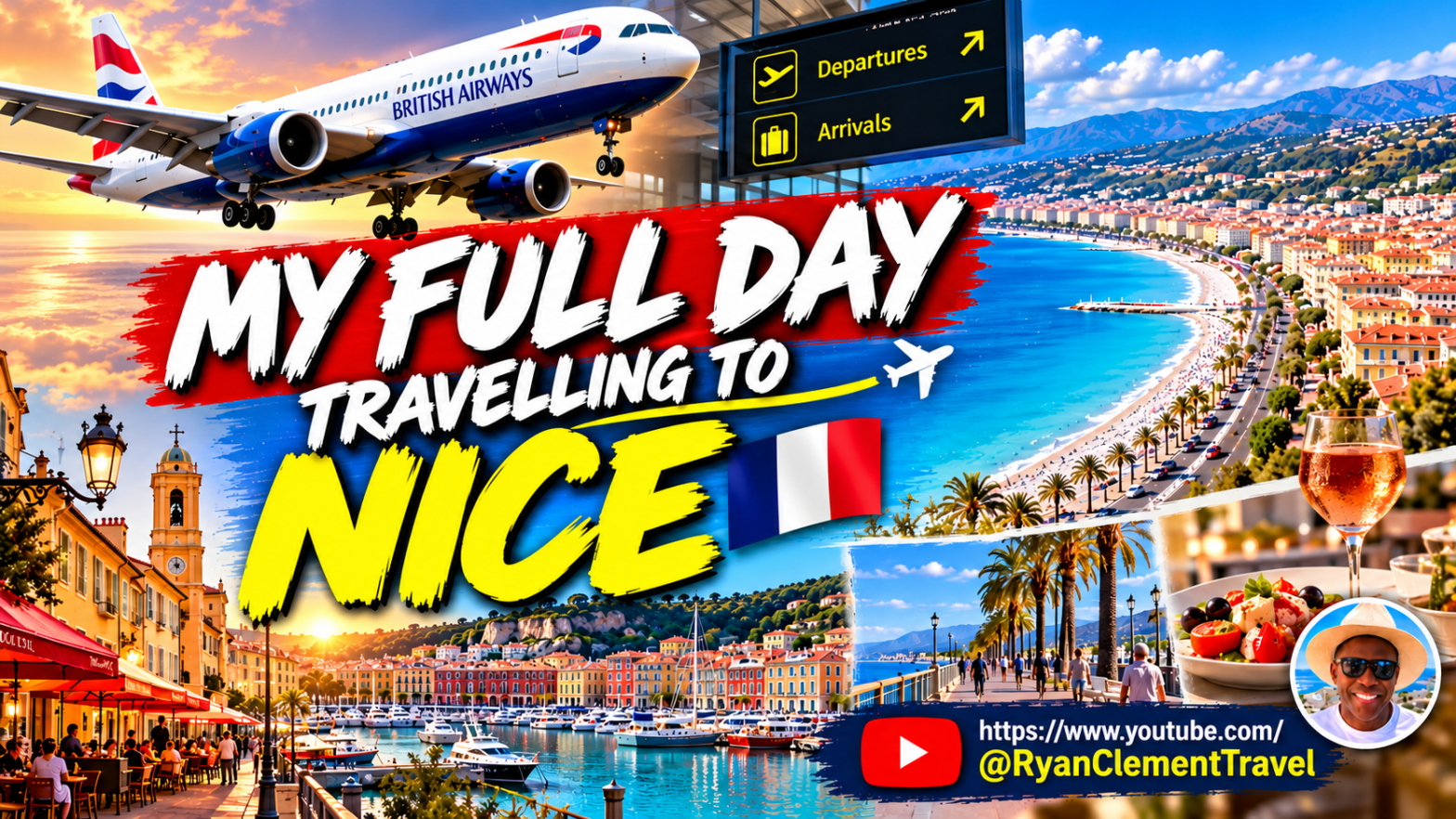
This time, however, the moment I finished my engagement, I had a quick cup of tea with a cake or two; ok, three, with the host, and the countdown officially began. Destination? Nice, France. The challenge? A 7.20 am flight to catch out of London T5 Heathrow—with a few necessary stops in between.
I rushed to catch my train from Sheffield to London, but I had just missed my scheduled one due to the rush hour traffic. I then had a convoluted journey of four changes to home. At around 10.15pm I was on the road, negotiating B roads, A roads and two motorways – M25 and M40! By 11.30pm, I finally pulled up at Caz’s house to drop off my car. I tried to book into my regular chain hotel but the website was dow. So, at nearly midnight, I managed to book myself into another hotel. It was stressful! Caz booked a cab. There was a quick thank-you, a swift luggage transfer, handed over the car keys and I was back on the move towards the hotel ‘not-so-near’ to the airport.
I strolled to my Heathrow hotel room at roughly 12.30am. When your alarm is set for the crack of dawn—or really, the middle of the night—getting into bed is a mental game. Do you attempt a deep sleep, or do you just rest your eyes? I opted for a rapid-fire sequence of the mandatory 5-minute emergency unpack/re-pack, setting three separate alarms (my insurance!), accompanied by a three-and-a-half to four hours shut-eye!
At 4.30am, the alarm buzzed; I got out of bed on the third. I was mashed! Where did the time go??? I then set off to catch the ‘once an hour’ bus but ended up with an Uber instead – another story! Surprisingly, T5 was relatively busy for that early time.
After breezing through security and my customary double espresso (it would have been rude not to!), I boarded the 7.20am BA Flight. The moment the plane lifted off the tarmac, the fatigue finally caught up with me, but I kept going! I stayed awake for the ‘almost’ 2-hour flight.
Landing in Nice as the morning sun hit the Mediterranean coast made every minute of my late night ‘marathon’ experience worthwhile. From the cool evening air in South Yorkshire to the warm morning light of the Côte d’Azur in approximately 15 hours. Not bad!
AND, it was worth every moment of tiredness!
As for the rest of my time in Nice, Watch this space!
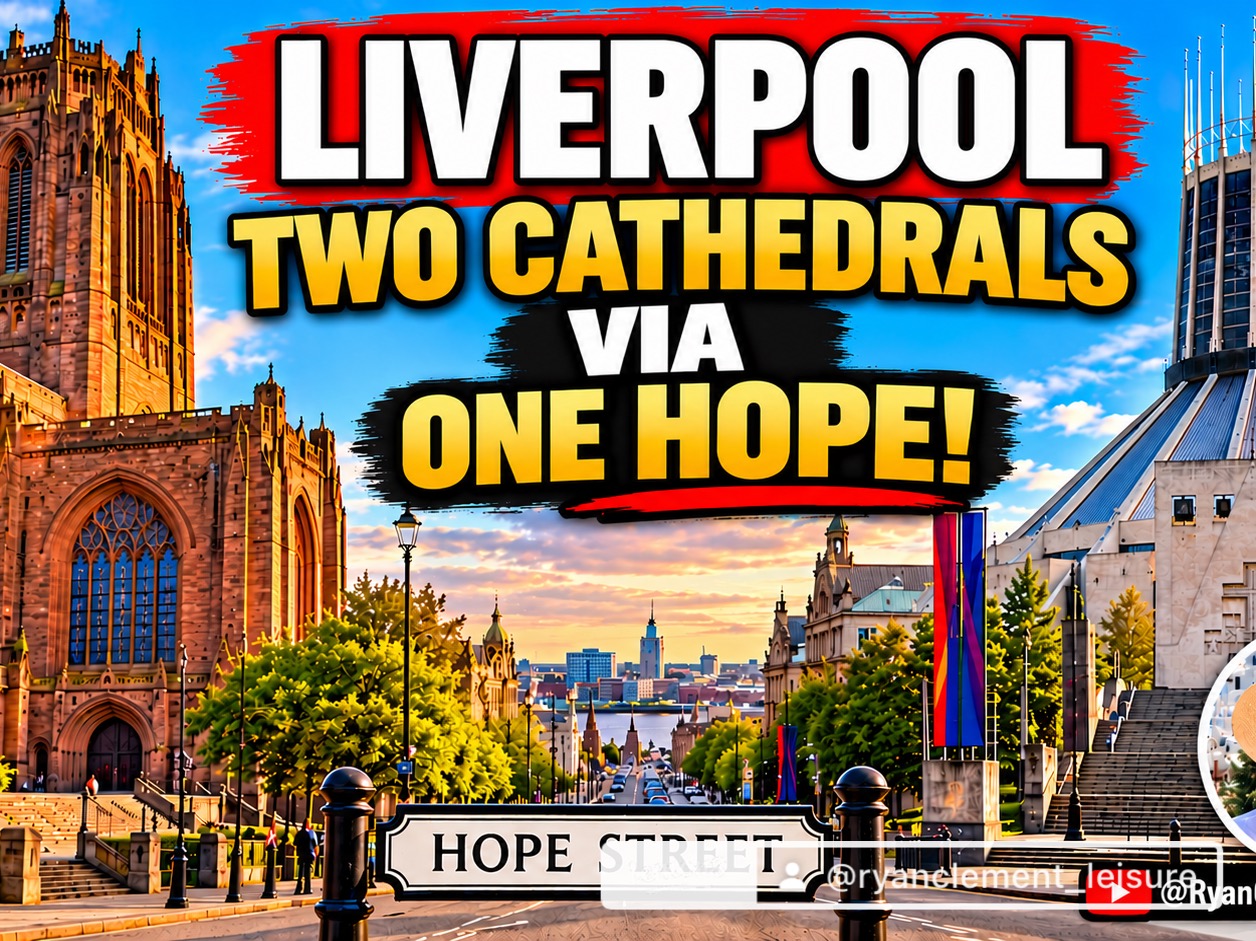
IN THESE EVIDENTLY TROUBLED TIMES, it feels fittingly ironic that a recent visit to Liverpool took me between places of faith – Liverpool Cathedral and Liverpool Metropolitan Cathedral – through a street named Hope. Of course, the two are closely connected, but not identical. To me, hope is the belief that tomorrow can be better than today; faith is the conviction that keeps us moving when tomorrow remains unseen. That is my view, though I am sure it can be refined.
HOPE GIVES US SOMETHING TO ANTICIPATE. It helps us imagine possibilities beyond our present circumstances. When life is difficult, hope reminds us that our struggles need not be the end of the story: “I hope that one day…” or “I live in hope that…” or the absolute, ‘I can only live in hope!’
FAITH, HOWEVER, GOES FURTHER. It gives us the courage to keep believing when there is little visible evidence that life will improve. Faith does not require every answer or a clear path aroundevery obstacle; it asks us to trust that the journey still has meaning. Today’s Daily Prompt asks, “What’s something you’ve done that you never thought you could?” My first answer was becoming a barrister, but that would not be entirely true. I entered Bar school in 1995, hoping to pass and trusting my faith to make that hope a reality. Thankfully, I did—a retake was both unthinkable and unaffordable!
WITHOUT HOPE, LIFE CAN LOSE ITS SENSE OF POSSIBILITY. Without faith, hope may falter amid life’s inevitable disappointments and uncertainties. Together, however, they create something remarkable: resilience.
WHATEVER OUR FAITH IS ROOTED IN, it can sustain our hope for better days. Hope tells us that something good is possible, however, faith persuades us that it is worth pursuing! That was the mindset I carried into Bar school. I had to!
SOMETIMES, when the road ahead looks difficult, hope and faith together help us take one more step. As the saying goes, “Take the first step in faith. You don’t have to see the whole staircase, just take the first step!”
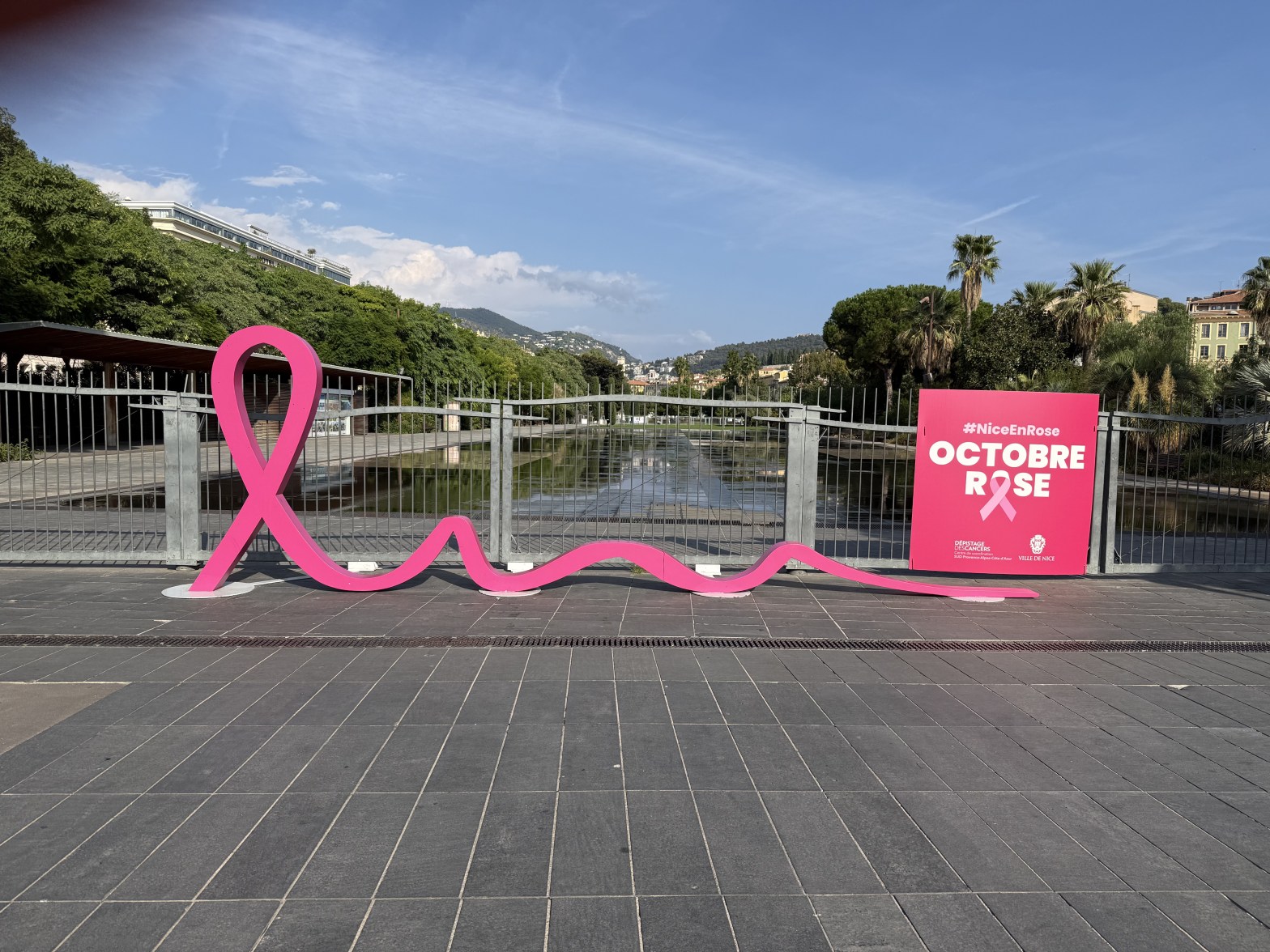
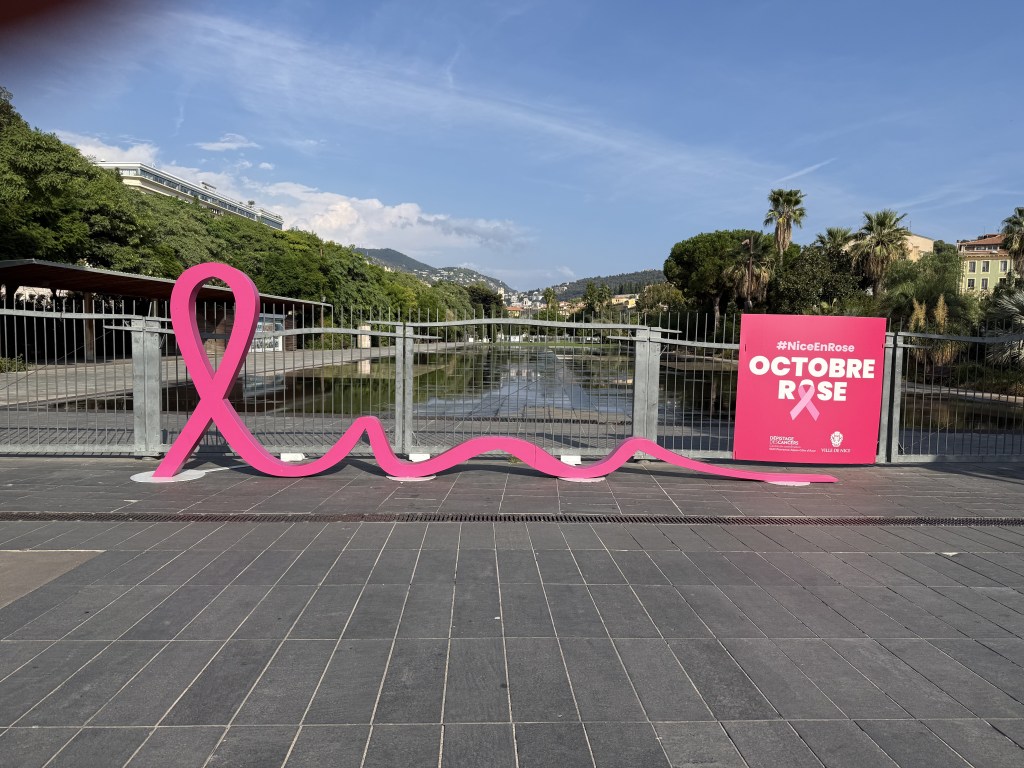
Recently, I was in Nice, France, on the French Riviera. 🇫🇷 On my day of arrival, whilst walking along the Promenade des Anglais, I saw a sign that said that the next day was a jogging and walking event (Jogging Rose & Marche Rose) for Octobre Rose. I subsequently learned that it was for a worthy cause, Breast Cancer Awareness Month.
So, the next morning I went out, clapped and cheered the participants. Also, I shot a brief video. A very dear friend of mine in Grenada then informed me that it was also Breast Cancer Awareness Month in Spice Island. 🇬🇩
In fact, as I now know, every October is Breast Cancer Awareness Month worldwide. “Awareness Starts with Knowing Your Normal – Breast cancer can affect people of different ages and backgrounds, including men. Checking your breasts or chest regularly—around once a month—can help you become familiar with how they usually look and feel. There is no single right way to check: look in a mirror and feel the whole area, including up to the collarbone and under each armpit.”
I do not claim to have any specialist insight into BCAM, but if one person who, like me, was unaware of the October global awareness, then this short blog would have been worth my effort! I found the following and have simply copied and pasted it.
Changes worth getting checked
A new lump or swelling in the breast, chest or armpit
A change in size or shape
Skin changes, such as dimpling, puckering or redness
A nipple that turns inwards, develops a rash or looks different
Unexpected nipple discharge, which may contain blood
Persistent pain in the breast or armpit
Many breast changes are not cancer, but it is important not to ignore anything new or unusual for you. Contact your GP if you notice a change or have persistent concerns. Getting checked promptly can provide reassurance and, when cancer is present, earlier diagnosis may make it easier to treat.
More Than a Pink Ribbon
Awareness also means making space for honest conversations. A breast cancer diagnosis can affect physical health, emotional wellbeing, relationships, work and finances. Listening without judgement, offering practical help and respecting each person’s choices can make a meaningful difference. Support should continue beyond treatment, because recovery and living with secondary breast cancer can bring long-term challenges.
Ways to Make a Difference This October
Start a conversation: Share reliable information about breast and chest awareness with friends, relatives or colleagues.
Set a monthly reminder: Choose a date that helps you remember to check regularly.
Support someone affected: Send a message, offer a lift, prepare a meal or simply listen.
Fundraise responsibly: Organise a coffee morning, sponsored walk or pink-themed day for a reputable breast cancer charity.
Challenge stigma: Use inclusive language and remember that breast cancer does not affect only one type of person.
Awareness Can Become Action
Breast Cancer Awareness Month is not about creating fear. It is about replacing uncertainty with knowledge, isolation with support and good intentions with practical action. This October, take a few minutes to learn the signs, check what is normal for you and encourage someone you care about to do the same. Small actions, repeated and shared, can help build a more informed and supportive community.”
This blog is for general awareness and does not replace medical advice. If you notice a new or unusual change in your breast, chest or nipple, or have concerns about your health, contact your GP.
NICE 🇫🇷 IS NOT NICE! It’s stunningly beautiful! I have been blessed to see a few places during my tenure of Earth. Nice did not so much take me by surprise but more than exceeded my expectations. I have seen the French Riviera many times in movies and wondered if Hollywood was up to a cinematic trick or two to fit the script and, therefore, the scene or scenery. Nope! No Plastering of the cracks here. It’s real. It’s beautiful! It’s stunning! It’s idyllic!
Until my last day, the weather had been kind, sunny and warm. On my last day, it bucketed down but that did not in any way dampen the great vacation I had on the 🏝️ Côte d’Azur 🏖️
Watch out over the next few blogs as I document my travels to and on the South of France 🇫🇷
I WAS TALKING to some Grenadian friends recently when I was asked when would I be visiting Spice Island again? I haven’t returned since I buried my late mother many years ago. Prior to that, I used to visit regularly; often 5 to 6 weeks at a time over December (for Christmas) and January (for the New Year!). I replied that I had no immediate plans.
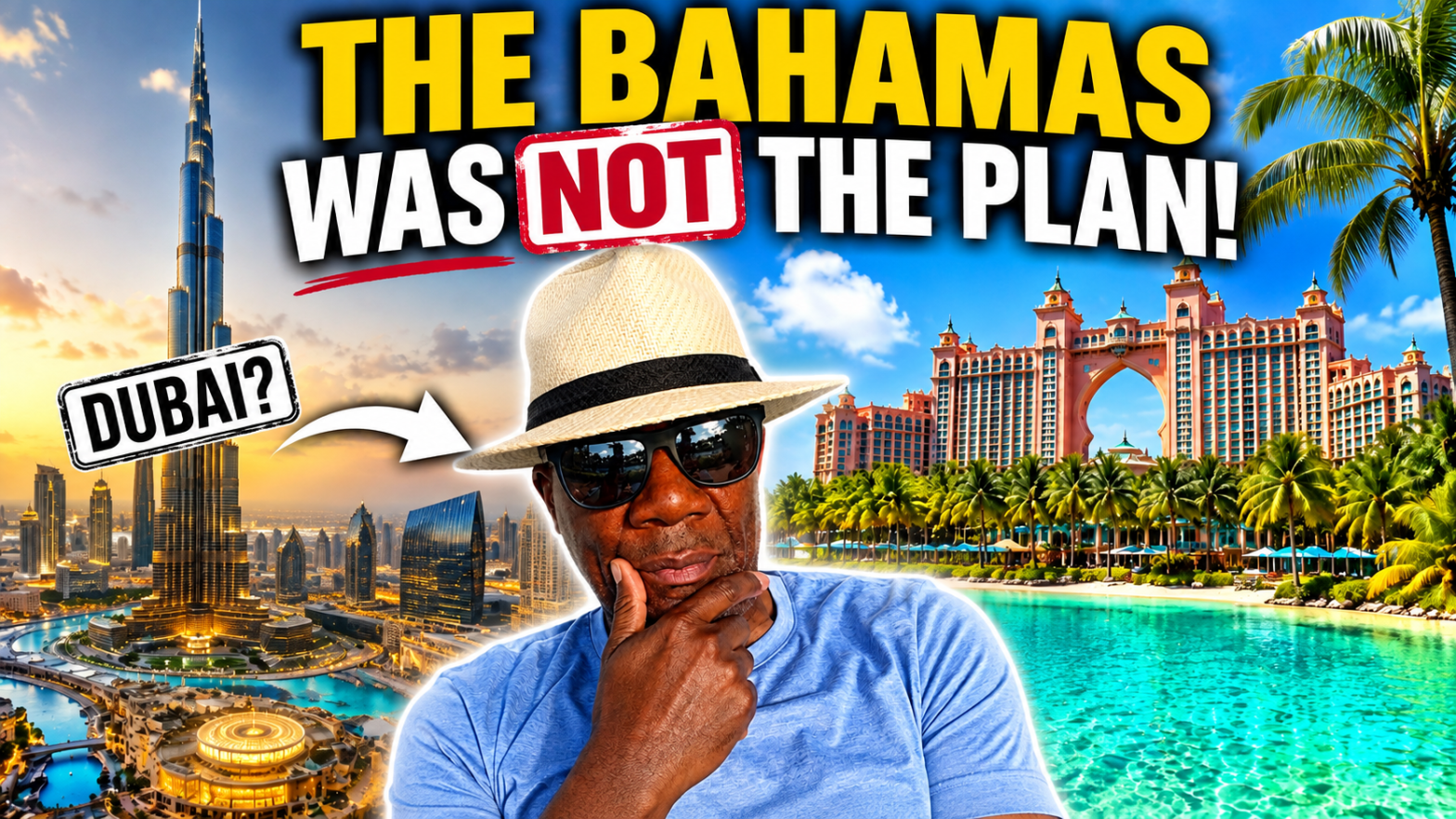
HOWEVER, that led to another conversation. I was so close to Grenada in March of this year (2026 for those reading this blog in the future!) when I visit the Bahamas, yet so far. But that is another story in itself. As you know from a previous blog, I was supposed to be in Dubai. This was cancelled due to my being advised by the British Foreign Office that it was unsafe to travel at that time, so, as one does, I went to THE BAHAMAS instead! 🇧🇸 And what started as a last-minute change of plans turned into an unforgettable Caribbean adventure.
I FOUND MYSELF HEADING SOMEWHERE COMPLETELY DIFFERENT — Nassau and Paradise Island. I experienced the incredible Atlantis, The Royal on Paradise Island, with its spectacular architecture, beautiful ocean views, Aquaventure water park, casino, beaches, pools and marine life.
WHEN I LEFT PARADISE ISLAND, I EXPLORED NASSAU, including the famous Straw Market, the historic British Colonial Nassau and the colourful streets of the Bahamian capital. And the adventure didn’t stop there. I headed out onto those stunning Caribbean waters towards Rose Island, passing some amazing waterfront homes along the way — before meeting one of the Bahamas’ most famous residents: the swimming pigs! 🌊 Peanut 🐷 was my favourite! 🌊
SO RETURNING TO SPICE ISLAND. The best-laid plans may well be intentioned, but good intentions do not always produce the best outcomes!!! 🧐 Having delivered those wonderful words of wisdom, however, I can hear an island calling me. Which one is it? Is it a Leeward or a Windward? 🇬🇩 The answer, my friend, may simply be blowing in the Caribbean breeze! 🤔
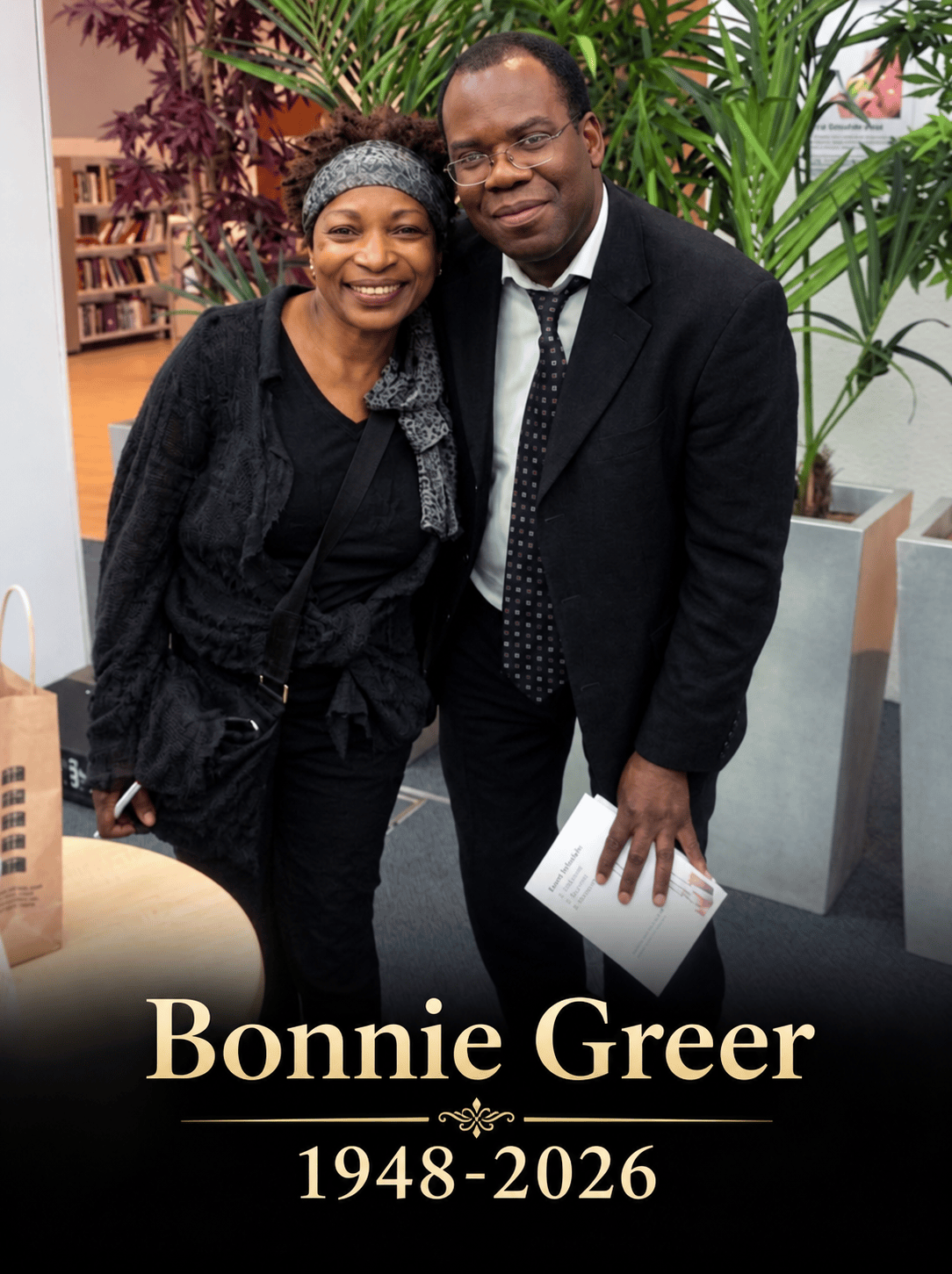
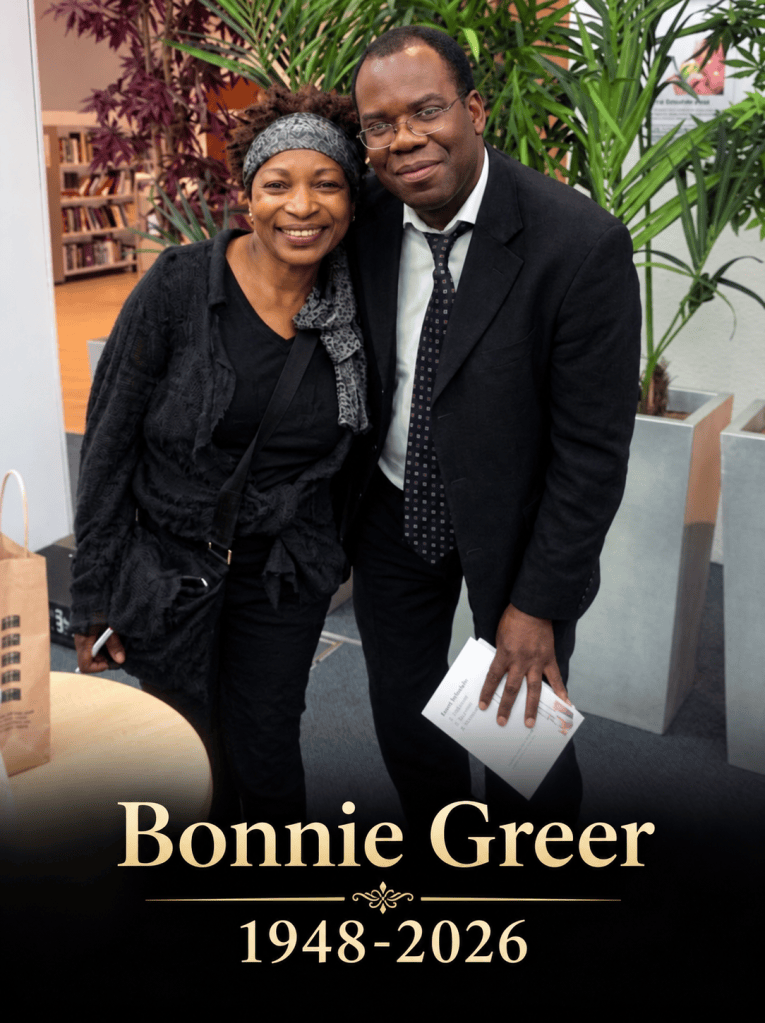
IT WAS, AND REMAINS, deeply sad to hear of the premature passing of Bonnie Greer, a truly special person. I always held her in great regard. She was one of those rare people I would stop to listen to when on television, no matter how busy I was. Highly intelligent, articulate and knowledgeable across a remarkable range of subjects, she offered brilliant social commentary and seemed equally at ease discussing complex politics, literature or art.
AS ONE DOES, I checked her year of birth, only to discover something more: she shared the same birthday as my late mother.
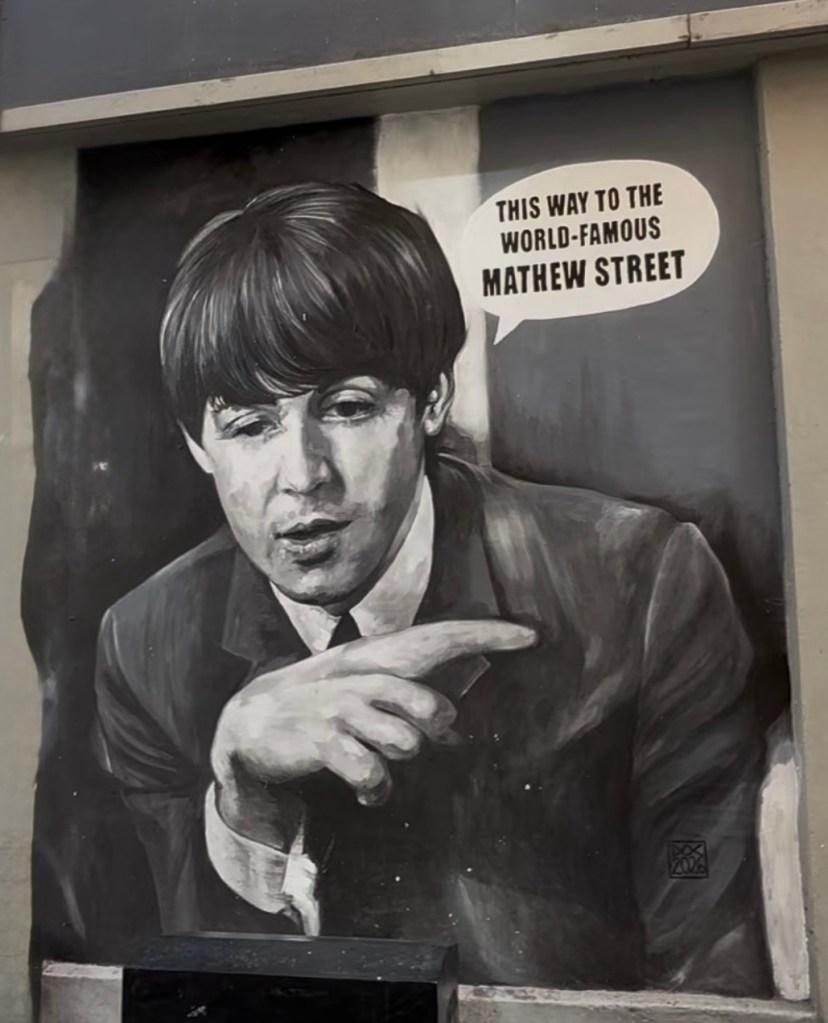
I WAS IN LIVERPOOL RECENTLY. I was at the Albert Dock, observing the scenery and soaking in the calm, relaxing atmosphere of the late afternoon. Suddenly, I heard this lovely female voice, singing the Beatles’ Let it be. She was unquestionably happy. Many years after the song’s release, here was a lady singing a song as if it were fresh in the charts. We exchanged pleasantries and she moved merrily on. However, this got me think about the Fab Four’s long catalogue of music and wondered what was my favourite song of theirs? Unlike with, say, MJ, I confess to knowing only the hits. I couldn’t tell you which album/CD they were/arefrom, the track number or what other hits they sit/fit between on their respective albums/CDs.
WHAT I DO KNOW, is there are a lot of them and, for me, most, if not all, are exceptionally good; actually, Great! Then I considered, ‘What would be my favourite Beatles’ song?’ 🤔 Even for a non-Beatles expert like me, I knew it was an impossible task. So, I widened the field to three. In all honesty, I could have widened it to ten and still not be satisfied.
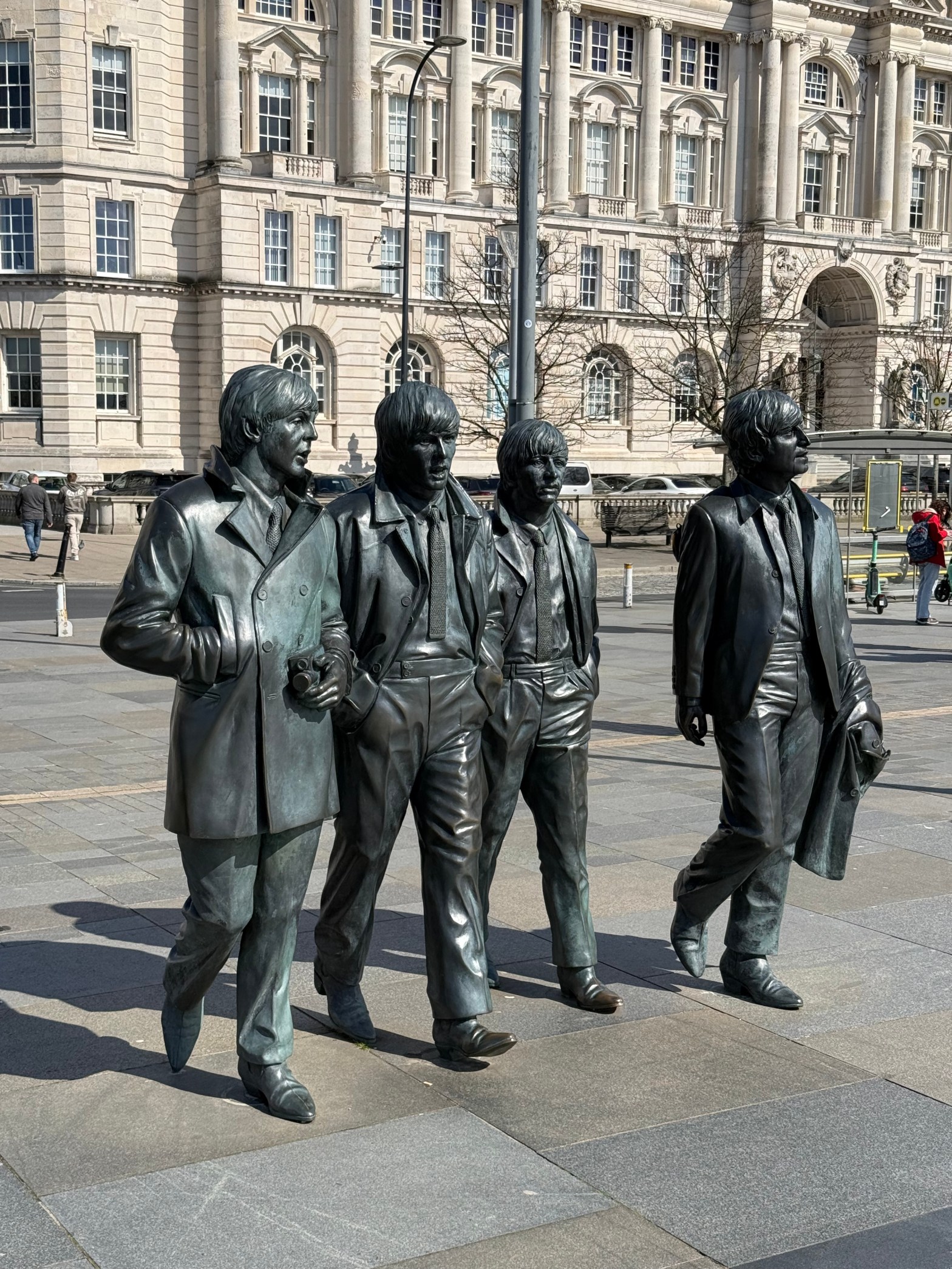
HOWEVER, off the cuff, positioned a few metres from the Fab Four’s statue(s), I opted for Yesterday, Penny Lane and Eleanor Rigby. My choices were based on what hit a spot more at that material time only. In other words, it was not a case of comparing one with the other, otherwise Hey Jude would be there for being an anthem in itself! I can imagine (or may be not), being in a crowd of 50,000, singing the ending loudly, in unison and, if lucky, in tune! I know what it’s like being at Anfield, the home of Liverpool Football Club, and 50k-plus fans singing You’ll Never Walk Alone; it’s indescribable. You need to be there to witness and feel it!
I asked a friend what would be her three? She answered Eleanor Rigby, Yesterday and She loves you! I noticed that my choices were all where Paul sang lead. Nothing should be read into this because I love John’s voice. But the slower tempo of my choices was what resonated at that time. I say that because in 6 months’ time I may have a different three. Oh no, how could I have left out When I’m Sixty-Four? Oh no, again, Help!, Michelle, I want to hold your hand, With a little help from my friends, Strawberry Fields Forever, Paperback Writer, and many, many more. I give up!I’ll just Let it Be!
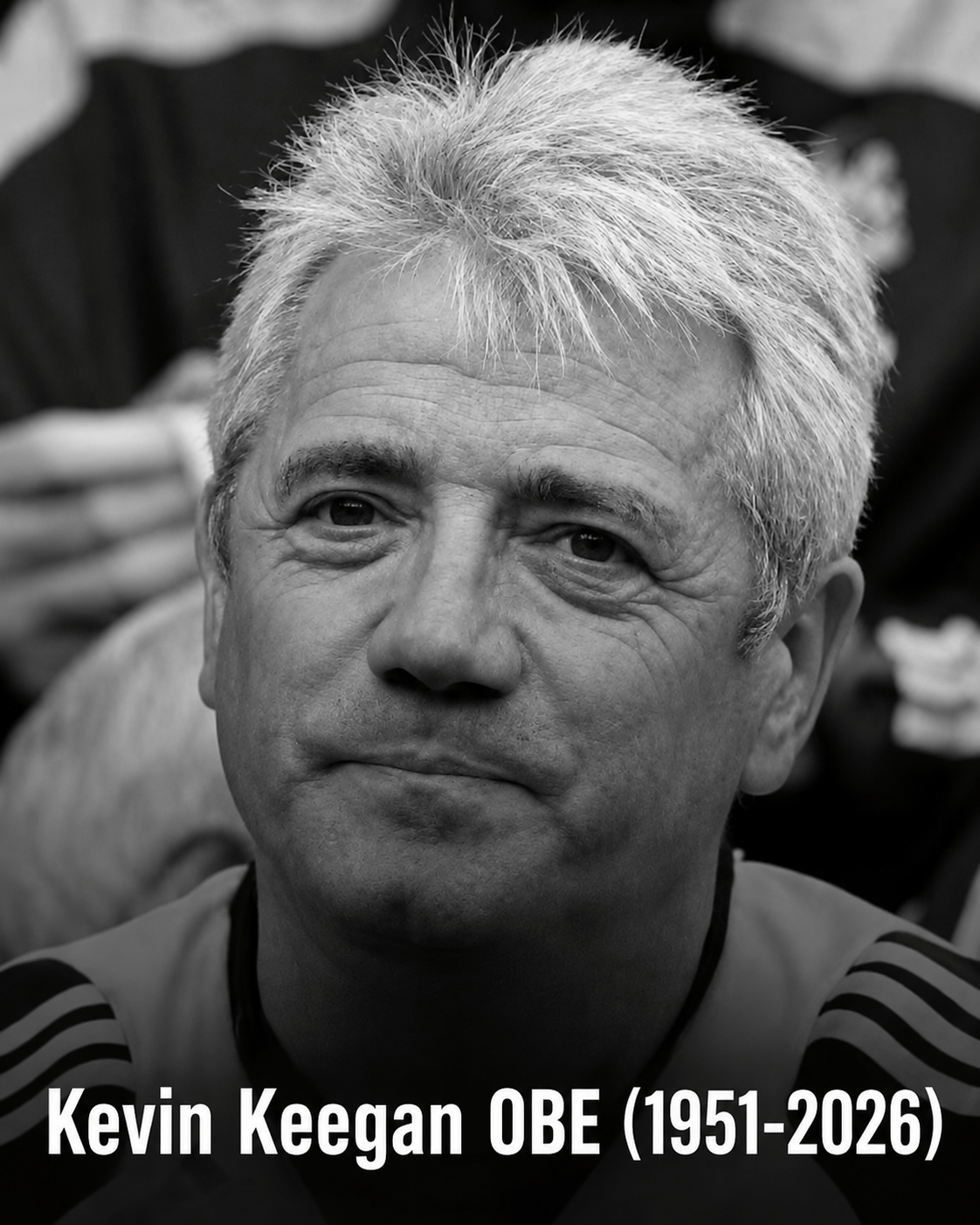
SADLY, on 20 July 2026 the world lost a great footballer, manager and person, Kevin Keegan O.B.E.
WHEN I was a kid, he was the footballer youngsters aspired to be like. He was quick, hardworking and scored goals regularly for both club and country. He was eloquent and charming. Although many football fans old enough would remember his infamous outburst on live television in the U.K., for me this was simply a sign of Mr. Keegan wearing his heart on his sleeve.
FURTHERMORE, he achieved what many footballers have failed to do by playing for two top flight teams in the same league, Liverpool and Newcastle United, and yet be respected throughout by both sets of supporters simultaneously and afterwards. That said more about him than the fans because they were simply reacting to a person loved by us all and respecting what he had done for the beautiful game; not to mention the bank of great memories he gave us to cherish forever! Great nights at Anfield, the home of Liverpool FC, and Great nights at St. James’ Park, the home of Newcastle United FC.
IT IS THEREFORE SOMEWHAT FITTING that both Newcastle United and Liverpool begin their 2026/27 Premier League campaigns at 4.30pm today (Sunday, 23 August 2026) against each other at St. James’ Park. It was written in the stars! ✨
As a kid, I was fortunate to have a summer and weekend job that was a few minutes walk from my home in West London. One day, my hero walk in. I asked for his autograph. He gave it without hesitation and asked me my name. It felt personal even though I knew that had to be his style for everyone he first met. But it made me feel special. It was special from a ‘truly’ special one.
Thank you, Sir, and Thank you for the memories! 🙏🏾
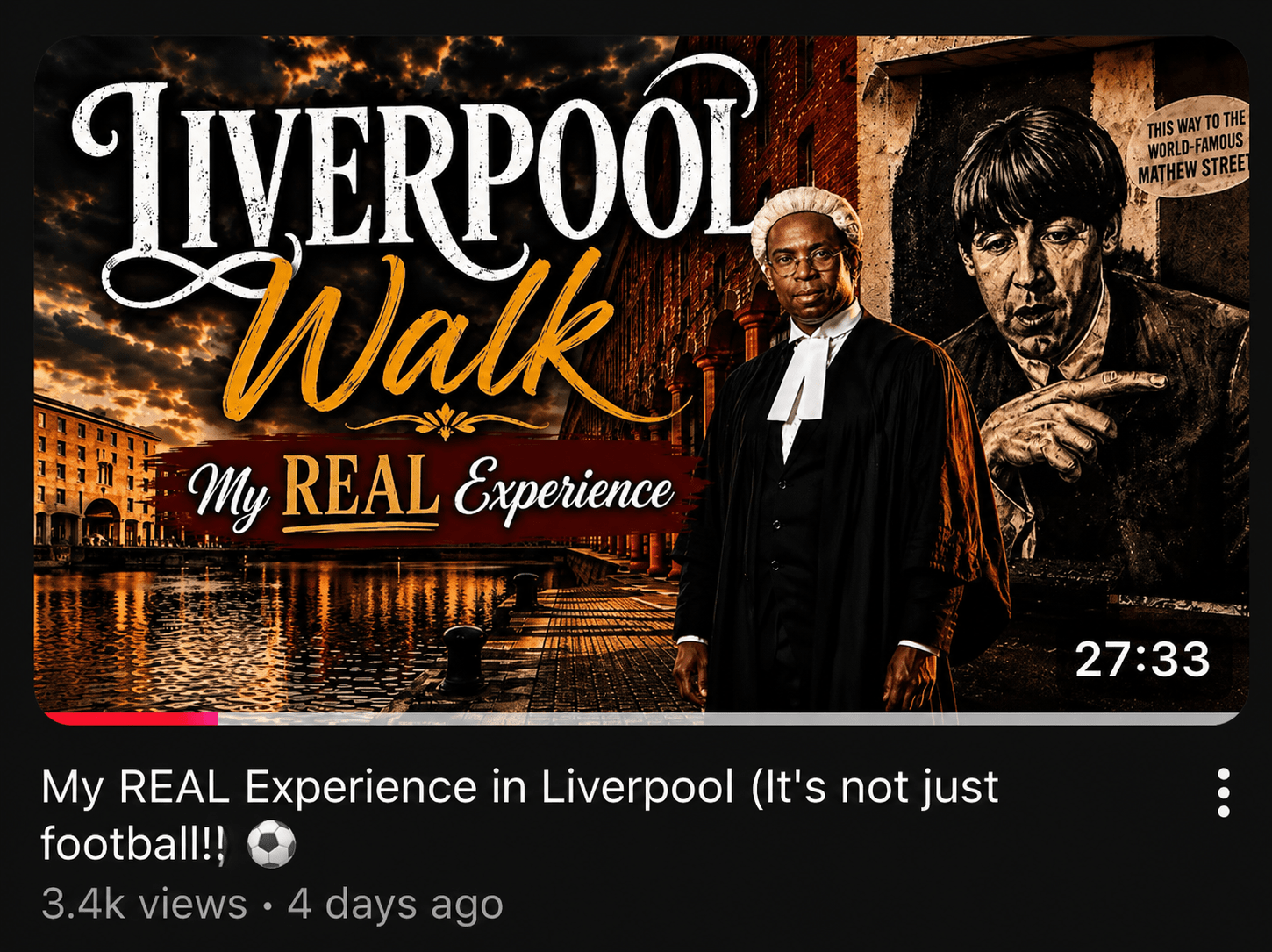
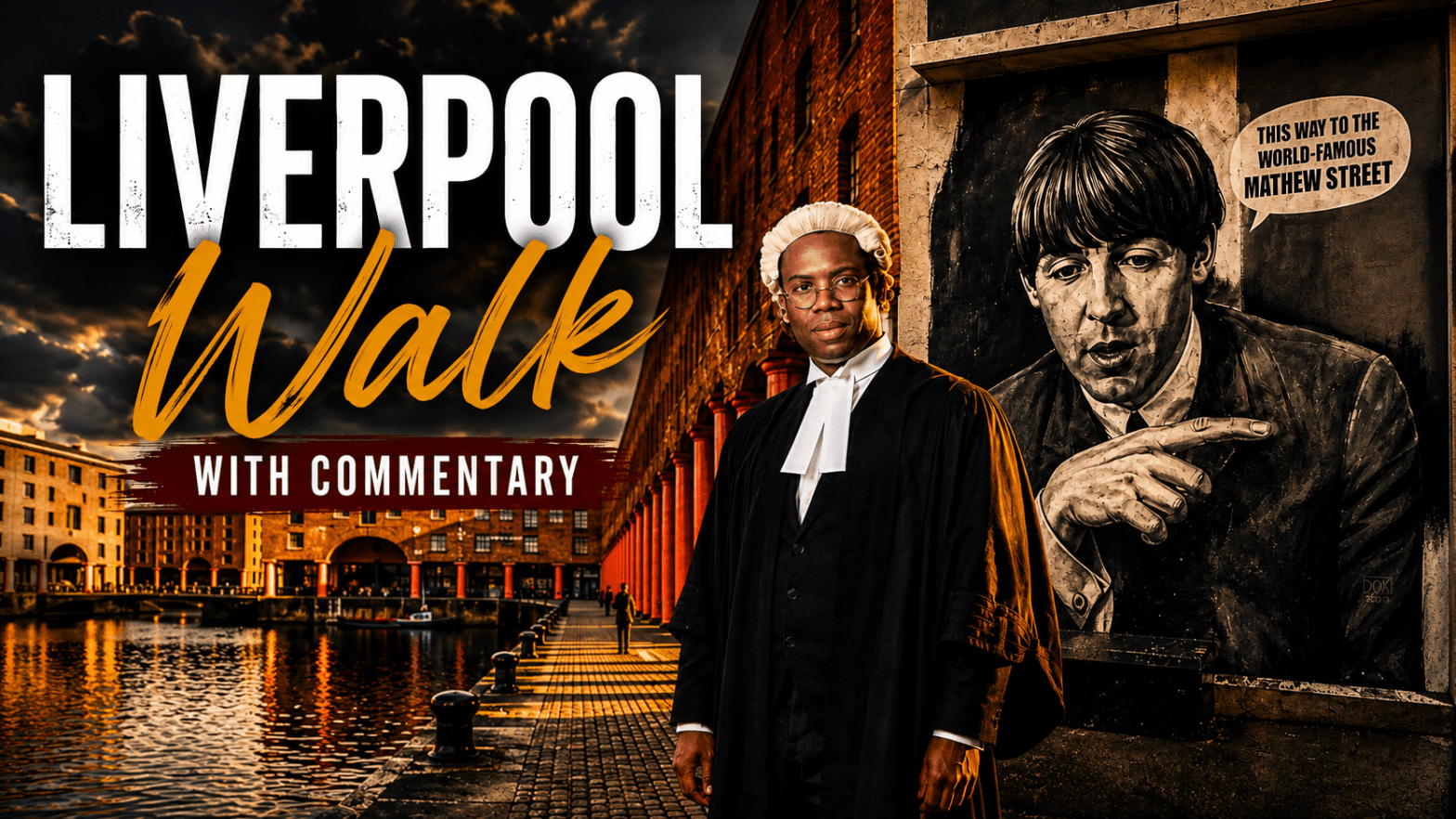
As you know, I have written two previous blogs about my time spent in Liverpool, during the adjournment of Day 1 of my case. The exchanges with contributors have been more than interesting and enlightening, for which I am grateful; contributions are still being made. And I have learnt so much in such a short period of time.
It was a pleasant walk of a small part of a city, rich with history and culture. I had accompanied the blog with a video. In reality, it was vice versa. Following the silent movie version of my video, being posted on social media, I received two interesting comments, for which I was grateful, regarding Liverpool FC and Everton FC. I had consciously chosen not to include anything about the two famous clubs in my video for three reasons. One, I had only a short time to walk around, which was based on the city centre. Two, I considered that visiting the grounds on a non-match day might not work due to lack of fans and, therefore, lack of atmosphere. Three, I was conscious that I was making a ‘travel’ and not a ‘sporting’ video on which I already post videos on one of my other channels.
I make legal videos on which, naturally, I speak. So, on reflection, it was suggested that I release a commentary version of the ‘silent’ version of my walkabout in Liverpool. I did and enjoyed it.